Logo
Get Estimate

Frozen Pipe Thawing in Wisconsin Restores Water Flow

We thaw frozen lines and check for hidden damage.


Frozen Pipe Thawing in Wisconsin gets water moving again for homeowners, landlords, and businesses facing a frozen water supply pipe or blocked fixtures. Our crew finds the ice restriction, selects a controlled thawing method, and checks the line for leaks as water returns. Call when a tap runs weakly, a pipe feels unusually cold, or a room has lost water during Wisconsin's November-to-spring freeze cycle.

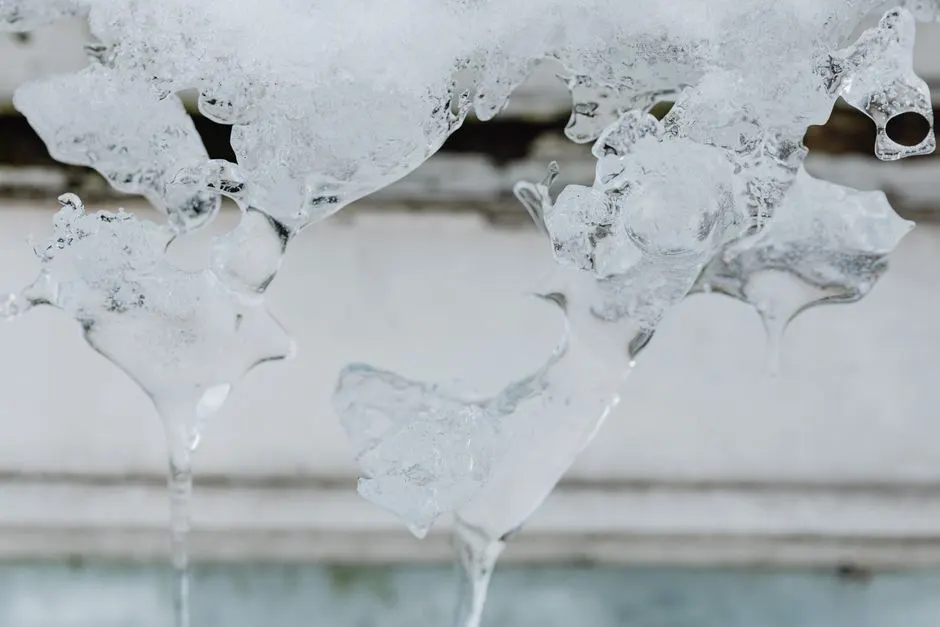
Detailed view of intricate melting ice formations, conveying the beauty of winter.
Licensed Licensed & Bonded
Fully Insured Insured & Bonded
24/7 Emergency Same-Day Response
Warranty Backed Workmanship Guaranteed

What Frozen Pipe Thawing Includes

Frozen Pipe Thawing covers locating an ice blockage, selecting a controlled method, restoring water flow, and checking accessible pipe and fittings for leaks. If thawing reveals a split line, damaged fitting, or water intrusion, we explain the repair or cleanup needed and handle the related work you choose. Thawing alone does not repair a pipe that has already cracked.

Freeze Location Assessment

We trace which fixtures are affected and inspect accessible pipe routes, including cabinets, basements, garages, and utility areas. Temperature checks help narrow the frozen section before heat is applied, reducing unnecessary work in areas where water is still moving.
Controlled Ice Thawing

We use equipment suited to the pipe material and access, applying heat gradually while monitoring the line. The method avoids open flame and focuses on releasing the blockage without overheating a vulnerable pipe or nearby building materials.

Flow and Leak Check

As water returns, we open fixtures carefully and inspect accessible joints for drips or pressure-related leaks. We check the affected branch rather than treating a restored faucet as proof that the entire line is undamaged.

Repair and Prevention Guidance

If the freeze caused damage, we identify the affected fitting or pipe and explain the repair needed. We also point out practical risk factors such as drafts, missing insulation sleeves, or an exposed outdoor faucet so you can reduce repeat freezes.

Frozen Pipe Thawing in Wisconsin Explained


Frozen Pipe Thawing in Wisconsin is a plumbing service that safely melts ice blocking water flow before pressure damages the pipe. We trace the affected branch, isolate the line when needed, and use a controlled pipe-thawing machine or low-voltage pipe thawer suited to the pipe material and access. An infrared thermometer helps us track temperature changes; after flow returns, we inspect exposed joints and nearby surfaces for a split copper pipe or hidden pipe leak. The goal is restored flow without open flame or uncontrolled heating.

Wisconsin's prolonged cold, wind exposure, and rapid temperature drops put pipes in crawlspaces, garages, exterior walls, and vacant buildings at risk. Wisconsin frozen pipe thawing is especially relevant after a furnace outage, a door left open, or a bitter overnight low. If you need emergency Frozen Pipe Thawing in Wisconsin homes, we locate the cold section, protect nearby finishes, and check pressure as the ice releases. Older galvanized steel pipe and newer PEX tubing respond differently, so material and condition guide the method.

What Happens During a Thaw

Frozen pipe thawing in Wisconsin follows a clear sequence: identify the affected branch, choose the right method, restore water gradually, and inspect the line under pressure. We explain what we find as the work progresses, so you are not left guessing why a fixture stopped running.

01

Schedule

Call or book online — a real human picks up and confirms a 2-hour arrival window.

02

Diagnose

Licensed tech inspects on-site, then walks you through the cause and your options.

03

Fix

The job is completed to code and done right the first time — no shortcuts, no surprises.

04

Guarantee

Every job backed by a written workmanship warranty — and we stand behind it.

Tools and Thawing Methods

Tools & Equipment

Pipe-thawing machine

A pipe-thawing machine applies controlled electrical heat to compatible plumbing. We connect it according to the equipment and pipe conditions, then monitor progress as the ice blockage releases.

Infrared thermometer

An infrared thermometer checks surface temperature along accessible pipe sections. Readings help us follow the thaw and avoid applying unnecessary heat to an already warm area.

Thermal imaging camera

A thermal imaging camera can reveal temperature differences across an accessible wall or floor surface. It helps us narrow the likely frozen route before opening a finished area.

Moisture meter

A moisture meter checks suspicious damp areas around cabinets, walls, and floors after water flow returns. It helps distinguish a dry surface from materials that need further leak investigation.

Low-voltage pipe thawer

A low-voltage pipe thawer provides a controlled option for suitable metallic pipe. We confirm pipe type and condition first, then monitor the line throughout the thaw rather than leaving equipment unattended.

Methods & Standards

Material-matched controlled thaw

We identify whether the affected section is copper, PEX, CPVC, or another material before selecting a method. Heat is applied in a controlled sequence, with temperature and water flow observed as the ice melts. This protects the line from unnecessary thermal stress and lets us stop if a leak appears.

Progressive flow restoration

As the ice plug loosens, we restore flow gradually rather than opening every fixture at once. We listen for changes, watch pressure behavior, and inspect exposed joints. A slow return helps reveal a split or loose fitting before water moves unchecked into a finished space.

Code-aware repair assessment

When thawing reveals damaged pipe, we assess the repair in line with applicable Wisconsin plumbing code and the Wisconsin Uniform Dwelling Code. We match fittings and materials to the existing system and test the repaired section before service is considered complete.

Source-focused prevention review

Once the line is stable, we look for the condition that allowed it to freeze: a draft, unheated space, exposed faucet, or missing insulation. We suggest a targeted correction for that route, including insulation sleeves or heat cable when suitable, rather than broad changes that do not address the cause.

When to Call for Pipe Thawing

01

A kitchen tap slows to a trickle after an overnight cold snap, while other fixtures still run.

What we do: We use the affected fixture and pipe route to narrow the freeze, inspect accessible cabinets and exterior-wall areas, and thaw the restricted branch gradually. As flow resumes, we check the faucet supply connections and nearby joints for leaks.

→ The kitchen line returns to steady flow, and you know whether the issue was isolated or connected to a wider freeze.

02

A rental unit is vacant during a cold week, and the next tenant finds no water at several fixtures.

What we do: We check the heating conditions and affected fixtures, then trace the likely frozen branch through accessible utility spaces. We thaw carefully and monitor pressure as water returns, paying close attention to exposed fittings that may have split while the unit was cold.

→ Water service is restored where the line is intact, and any damage is identified before the unit is occupied.

03

A frozen outdoor faucet or garage supply line starts leaking as the ice begins to melt.

What we do: We shut off the affected branch when needed, locate the damaged section, and thaw only as conditions allow. If the line or fitting has failed, we repair it and test for continued leakage before reopening the supply.

→ The leak is contained, the damaged connection is addressed, and the water supply is checked before regular use.

04

A small business loses water before opening after a furnace or power interruption.

What we do: We identify which fixtures and branches are affected, protect the work area, and use controlled thawing equipment suited to the pipe. We check the line as pressure returns and flag any repair needed to keep water service dependable during operating hours.

→ You get a clear status on restored fixtures and any damaged section, allowing you to plan reopening or follow-up work.

How Wisconsin Thawing Work Is Delivered

Frozen Pipe Thawing in Wisconsin has to account for long winter cold, wind-driven exposure, and buildings with very different layouts. We see vulnerable lines in older basements, exterior-wall kitchens, attached garages, seasonal properties, and additions where heat does not circulate evenly. A lake-effect cold snap or a sustained subfreezing stretch can freeze pipes even when the main living space feels warm. We ask which fixtures stopped, where the line runs, and whether the building lost heat so we can prepare for the likely access and risk. Wisconsin frozen plumbing pipe thawing also requires attention to local code and the pipe material already installed. Applicable Wisconsin plumbing code and the Wisconsin Uniform Dwelling Code inform repair work; municipal requirements can vary by project and location. We choose controlled equipment, monitor the thaw, and inspect the line as water returns. For 24-hour frozen plumbing pipe thawing in Wisconsin, call with details about active leaks, loss of heat, and access to the shutoff. That information helps us prioritize safety and bring the right equipment.

Neighborhoods We Serve

  • Milwaukee older basements

    Basement supply runs near rim areas and exterior foundation walls can face drafts. We check the exposed route and nearby fixtures before choosing where to thaw.

  • Fox Valley garages

    A garage door opening or unheated utility space can expose water lines to sharp temperature changes. We focus on the pipe route and any vulnerable fittings.

  • Lake Geneva seasonal properties

    Properties with reduced heat during vacancy need careful checks for frozen branches and leaks as service returns. We verify fixtures and accessible lines before the space is put back into use.

  • River Falls exterior walls

    Pipes routed through outside walls can freeze when wind and indoor drafts combine. We use temperature checks to narrow the affected area and avoid unnecessary wall disturbance.

Local Conditions We Plan For

  • Long subfreezing stretches cool unheated basements and attached garages

    A pipe may remain frozen even after the main living area warms. We check the exposed route and surrounding conditions, then focus heat on the affected section instead of raising temperatures throughout the building.

  • Wind and drafts reach plumbing inside exterior-wall cavities

    Cold air entering through gaps can chill a pipe behind a cabinet or wall. We trace the likely route using fixture symptoms and temperature differences, then explain the draft or insulation issue after flow is restored.

  • Seasonal or vacant buildings receive reduced heat

    A closed property can develop multiple frozen branches, and damage may start before anyone notices. We test affected fixtures in sequence and inspect accessible fittings as each line returns to service.

Kitchen Branch Frozen Overnight

Before

A homeowner found no flow from the kitchen faucet after an overnight freeze. The supply pipe ran through a cold exterior cabinet, and the remaining fixtures still worked. The lack of water pointed to a local blockage, but a split fitting could not be ruled out until the line was thawed and checked.

After

We narrowed the blockage to the accessible kitchen branch, thawed it over about 45 minutes, and restored steady flow. The fitting stayed dry during the check, and the homeowner had water at the faucet before we left. We also identified the cold draft entering the cabinet.

Maintenance: The homeowner sealed the cabinet opening and added suitable pipe insulation around the exposed run. During cold weather, keeping the cabinet area warm and checking the faucet after a severe temperature drop can help prevent another freeze.

Before

A garage supply line had frozen after the space lost heat. As the ice began to melt, a joint started dripping onto stored items. The line needed to be isolated before more water entered the garage, and the fitting had to be checked rather than simply warmed until flow returned.

After

We shut off the affected branch, thawed the line under observation, and found a damaged connection. After replacing the fitting, we restored pressure and checked the repaired section for leaks. The customer had water service back and no continuing drip at the joint.

Maintenance: The owner moved stored items away from the pipe and arranged to keep the garage above freezing during severe cold. Insulating the exposed run and watching for heat loss after a power interruption also reduce risk.

Before

After a vacant property had reduced heat, several fixtures had no water. The owner could not tell whether one frozen branch affected the rooms or whether separate lines had iced. Because the home had been unattended, there was also concern about a hidden leak behind a cabinet.

After

We checked fixtures in sequence, located two restricted branches, and thawed them in about 90 minutes of active work. Both lines returned to flow, and inspection found no active leak at accessible fittings. The owner received a list of vulnerable areas to address before the next vacancy.

Maintenance: The property manager set a minimum heat plan for future vacancies and arranged periodic checks during cold weather. Keeping cabinet doors open where appropriate and protecting exposed lines helps reduce the chance of multiple freezes.

Problems Solved With Safe Pipe Thawing

A blocked fixture, a cold pipe in an exterior wall, or a line that freezes repeatedly all point to a restriction that needs a careful diagnosis. When to call for frozen pipe defrosting in Wisconsin is straightforward: call when flow drops sharply, several fixtures stop, or a pipe is visibly frosted.

Problem

No water from a bathroom tap during a prolonged cold snap

A frozen branch can build pressure against a closed ice plug, stressing joints and leaving the room without water until the blockage releases.

Our Fix

We trace the affected fixture back through accessible pipe routes, check nearby rooms for other signs of freezing, and thaw the restricted section with controlled heat. As water returns, we inspect joints and test the branch so a hidden leak does not go unnoticed.

Problem

A frozen pipe in an unheated garage or crawlspace

Cold air can keep the pipe frozen even after indoor temperatures rise, and the line may be difficult to reach without moving stored items or opening access.

Our Fix

We assess the route and safe working access, then use temperature readings to target the ice. After flow is restored, we identify exposure points and discuss pipe insulation sleeves or other practical protection for that specific location.

Problem

Water returns but a cabinet base or wall feels damp

A small split may leak slowly after thawing, soaking insulation or framing before a visible puddle forms.

Our Fix

We inspect accessible fittings and use a moisture meter to narrow the damp area. If a leak is confirmed, we isolate the line and repair the damaged section, then explain whether water extraction or structural drying is needed.

Problem

The same supply line freezes every winter

Repeated icing points to persistent cold exposure, poor airflow, or missing protection; another freeze can damage the pipe or interrupt service again.

Our Fix

We thaw the current blockage and review the pipe route for drafts, unheated zones, and exposed fittings. We explain targeted prevention measures, including insulation and heat cable where appropriate, rather than relying on repeated emergency thawing.

What You Gain From Careful Thawing

What You Gain From Careful Thawing

A frozen line is more than an inconvenience: trapped ice can conceal a crack that opens once water pressure returns. We focus on controlled thawing, careful leak checks, and clear next steps so you know whether the line is sound or needs repair.

  • Flow Restored With Control

    We thaw the blocked section gradually and watch temperature and flow rather than applying direct flame. Once a tap runs steadily, we check the line for drips and pressure changes. This measured approach reduces the chance of turning a frozen water supply pipe into a burst pipe after thawing.

  • Damage Caught Early

    Ice can split a fitting where the damage stays hidden until thawing. We inspect accessible joints and use a moisture meter around suspicious areas, helping identify water damage from a burst pipe before it spreads into insulation, flooring, or a finished ceiling.

  • A Clear Repair Path

    If thawing reveals a cracked PEX water line or freeze-damaged pipe fittings, we explain the repair needed and how it connects to restoring service. We carry compatible materials such as copper fittings and PEX fittings, then test the repaired section before closing access.

  • Fewer Repeat Freezes

    After the line is flowing, we point out practical causes such as a drafty rim area, missing pipe insulation sleeves, or an exposed outdoor faucet. Addressing the vulnerable spot helps reduce recurring pipe freeze risk through the next cold snap.

Credentials and Work Standards

Licensed & Certified

  • Wisconsin master plumber license — issued by Wisconsin Department of Safety and Professional Services
  • Wisconsin journeyman plumber license — issued by Wisconsin Department of Safety and Professional Services
  • Wisconsin dwelling contractor certification — issued by Wisconsin Department of Safety and Professional Services
  • OSHA safety standards — issued by Occupational Safety and Health Administration

Verified Reviews

Customer feedback Not stated

A Milwaukee homeowner described a frozen kitchen branch that stopped water to the sink. The crew thawed the accessible line, checked the joint as flow returned, and pointed out the draft behind the cabinet. The review focused on getting the faucet working and understanding what caused the freeze.

Customer feedback Not stated

A property manager in Oshkosh reported a frozen bathroom line in a vacant unit. After thawing, the technician checked nearby fittings and explained the next step for preventing another freeze. The owner valued having a clear status before arranging the tenant's return.

Customer feedback Not stated

A River Falls customer called after a laundry supply line froze in the garage. The crew found a damp connection during the thaw, repaired it, and tested the line. The customer noted that the work addressed both the blocked flow and the leak risk.

Practical Frozen-Line Expertise

Our work is grounded in plumbing diagnosis, pipe-material knowledge, and safe handling of water systems in cold-weather buildings. We assess copper tubing, PEX tubing, CPVC pipe, and older metal lines before choosing a thawing approach. Our team follows applicable Wisconsin plumbing code requirements and uses the right credentialed plumbing professional for work that requires it. We do not guess at a buried freeze or force heat through a questionable line. We locate the blockage, restore flow carefully, and check for leaks before calling the job complete.

  • We match thawing equipment and temperature checks to the pipe material, access, and condition.
  • We inspect visible joints for freeze damage as flow returns, not only after the area is dry.
  • We use moisture readings to investigate damp cabinets, wall bases, and basement framing.
  • We consider applicable Wisconsin plumbing code and the Wisconsin Uniform Dwelling Code where relevant.
  • We explain whether the next step is insulation, a fitting repair, or a longer-term routing change.
Get Started Today
Practical Frozen-Line Expertise

Cities We Serve Across Wisconsin

Our statewide routes bring frozen pipe defrosting in Wisconsin to communities with different building layouts, exposure, and winter conditions. We serve larger urban areas as well as smaller towns, coordinating work around access, active leaks, and the number of affected fixtures. From Milwaukee and Greenfield to Stevens Point and River Falls, we use the same careful sequence: locate, thaw, restore, and inspect. Select a city below to find local service information.

Milwaukee

We locate frozen branches in basements, exterior-wall cabinets, and garages, then thaw and check the line as water returns.

Oshkosh

Our crew checks affected fixtures and accessible pipe routes, with close attention to leaks that appear during thawing.

Greenfield

We address frozen supply lines in homes and attached garages, restoring flow and checking exposed fittings for damage.

Stevens Point

We help identify ice blockages after prolonged cold and inspect the line as pressure and water flow return.

South Milwaukee

Our team thaws accessible pipes carefully and checks nearby joints, especially where cold reaches basement or utility areas.

River Falls

We trace frozen lines through exterior-wall and garage routes, then confirm the branch is flowing without an active leak.

Chippewa Falls

We assess which fixtures have lost flow, thaw the affected section, and look for damage caused by extended freezing.

Greenville

We locate blockages in accessible supply lines and check fittings as water returns, including pipes near unheated spaces.

Little Chute

Our technicians thaw frozen branches with a method suited to the pipe, then test fixtures for steady restored flow.

Hobart

We investigate cold garages, utility areas, and affected fixtures, checking the line for leaks after the ice releases.

Shawano

We respond to blocked water flow by tracing the affected route, thawing carefully, and checking accessible joints for splits.

Lake Geneva

For seasonal and occupied properties, we check affected fixtures and accessible lines for freeze damage before returning water to service.

Ripon

We find the frozen section, apply controlled heat, and verify flow while watching for a leak at fittings.

Sturtevant

Our crew addresses frozen water lines in homes and utility spaces, then checks the thawed branch under normal use.

Waterford

We inspect the pipe route and nearby fixtures, thaw the blockage, and explain practical steps to reduce repeat freezing.

Frozen Pipe Thawing Questions

Real answers to the questions we hear most often from local homeowners and property managers.

How much does Frozen Pipe Thawing cost in Wisconsin?
A straightforward accessible-line thaw often costs $180 to $450 in 2026, while difficult access or repair can raise the total to $450 to $1,200 or more. Price depends on pipe location, length of the frozen section, after-hours timing, and whether a leak is found. We give upfront pricing before work proceeds. Thawing and repair are separate tasks when ice has split a pipe or damaged a fitting.
Who provides frozen pipe defrosting in Wisconsin?
Wisconsin Frozen Pipe Pros provides frozen pipe defrosting in Wisconsin for homes, rental properties, and businesses. We locate the blockage, choose a method suited to the pipe, and check for leaks after water returns. A professional frozen pipe defrosting service Wisconsin customers call should be prepared to handle both the ice restriction and the possibility of a concealed split. Call +18555851930 to discuss a frozen line.
How quickly can a Wisconsin plumber thaw a frozen water pipe?
Once the frozen section is accessible, thawing commonly takes 30 to 90 minutes; locating and access can add 15 to 60 minutes. Pipe length, wall or crawlspace access, and the extent of ice affect the job. We work methodically so pressure does not reveal damage without warning. If you have no water at multiple fixtures, tell us which taps are affected when you call.
Can professional pipe thawing prevent a burst in Wisconsin?
Professional thawing can reduce added stress by releasing ice with controlled heat, but it cannot undo a crack that already formed. We watch for leaks as flow returns and shut off water if a split or leaking fitting appears. A frozen water supply pipe can fail during thawing, so inspection matters. If water is actively escaping, close the main shutoff and call for emergency service.

More Help for Frozen Lines

Frozen Pipe Repair

If thawing exposes a split or damaged joint, repair restores the pipe rather than only clearing ice. We identify the failed section, replace or reconnect compatible material, and test the line so you know whether water service is stable.

View Frozen Pipe Repair

Emergency Frozen Pipe Repair

A leak discovered during an overnight thaw needs immediate attention. We isolate the affected line, stop active water loss, and repair the damaged section where accessible. Emergency work is especially important when water is reaching finished floors or electrical areas.

View Emergency Frozen Pipe Repair

Burst Pipe Repair

A pipe can rupture while frozen or open as ice melts. We stop the flow, remove the failed section, and reconnect the line using compatible fittings. Once pressure is restored, we check the repair for leaks before turning the system back over to you.

View Burst Pipe Repair

Frozen Water Line Repair

A frozen water line may need more than thawing if fittings have cracked or the pipe has weakened. We locate the affected area, thaw safely where possible, and repair damaged sections so your fixtures receive steady water again.

View Frozen Water Line Repair

Frozen Plumbing Pipe Repair

Interior plumbing can freeze in exterior walls, garages, basements, and unheated additions. We address damaged pipe and fittings after thawing, then explain which cold exposure caused the failure and what changes can reduce a repeat freeze.

View Frozen Plumbing Pipe Repair

Frozen Pipe Leak Detection

A slow leak may stay hidden behind a cabinet or wall after a pipe thaws. We inspect accessible areas and use moisture readings to narrow the source. Early detection helps limit damaged framing, insulation, and floor finishes.

View Frozen Pipe Leak Detection

Get Frozen Pipe Thawing in Wisconsin

A frozen line can split as pressure builds behind the ice. Call our plumbing team at +18555851930 for controlled thawing and a leak check; our Wisconsin plumbing professionals handle the work with care.

Call Now Call Our Team

Contact Wisconsin Frozen Pipe Pros

Call +1 855-585-1930 any time for frozen lines, active leaks, or water damage after a pipe burst. Our team takes emergency calls 24/7 and serves homes and businesses across Wisconsin, including Milwaukee, Madison, Green Bay, and communities statewide. Tell us what stopped working and where you see water; we will help you take the next practical step.

Or call us right now at +18555851930 — we answer.

Wisconsin Frozen Pipe Pros


  • Phone

    +18555851930
  • Address

    Wisconsin

  • Hours

    Mon–Fri: 7AM – 7PM
    Sat: 8AM – 4PM
    Sun: Emergency Only
    24/7 Emergency Available

Call +18555851930 Get Quote
Call Quote