Residential Frozen Pipe Repair in Shawano
Shawano homes include older downtown houses, newer residences, lake-area properties, and buildings with additions or detached garages. Those layouts put plumbing in different places: behind kitchen cabinets, along basement rims, in crawlspaces, or inside rooms that are not heated like the main living area. When a fixture goes dry, we check whether the issue is a single branch or a wider supply line before thawing. If ice has split the pipe, we repair it and test the line before putting the space back into normal use. Emergency frozen pipe repair is especially important when water appears after a cold spell; a concealed leak can soak finishes before it reaches the floor. We also help you identify shutoffs and vulnerable pipe routes so the next winter call is less likely.
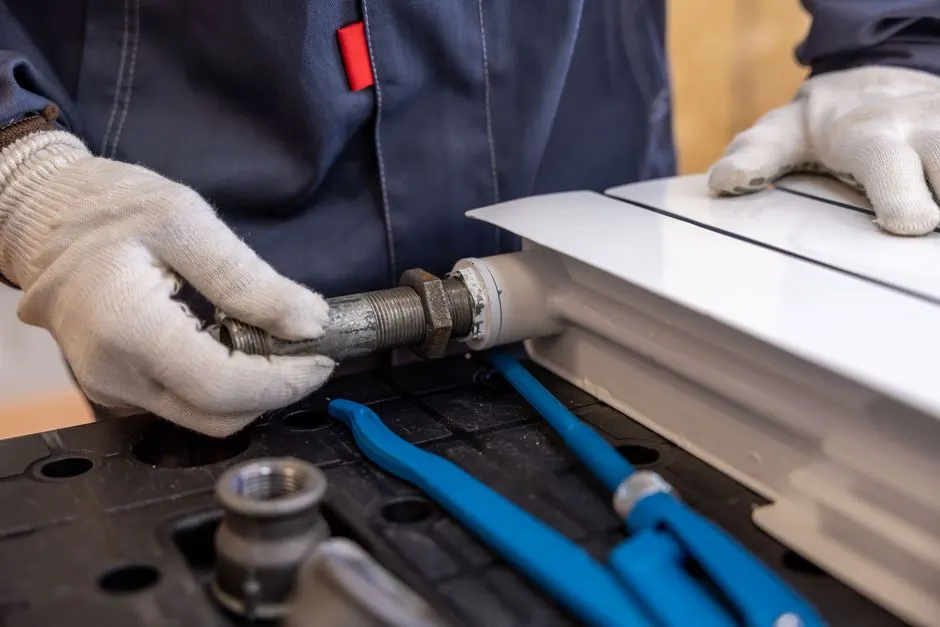
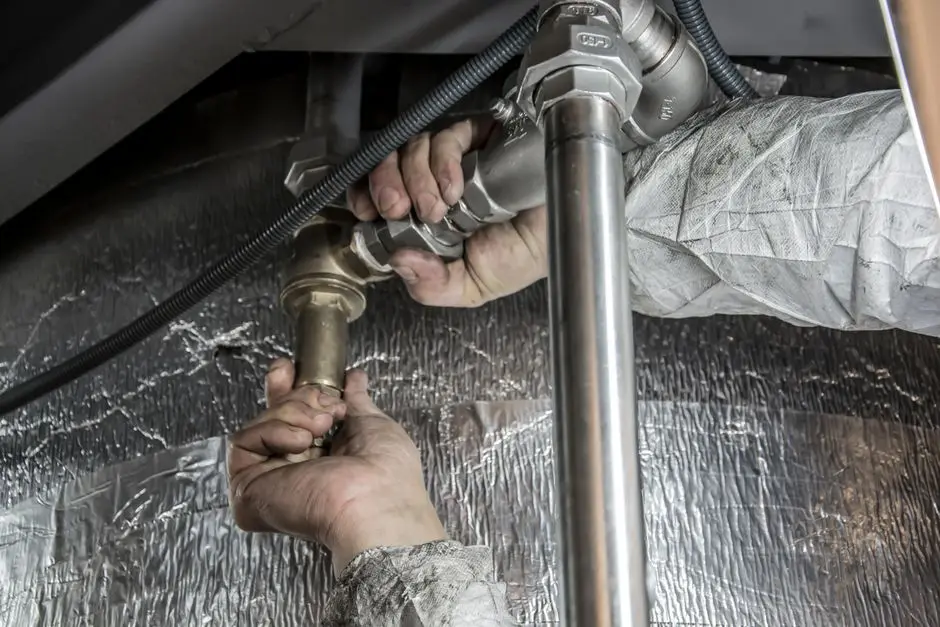
- Home pipe thawing and flow checks — We locate the frozen branch, check accessible fittings for damage, and thaw the line with controlled equipment. In Shawano homes, we test the affected faucet and inspect the route after flow returns. If a leak appears, we isolate the supply and move to repair rather than leaving a wet cabinet or basement.
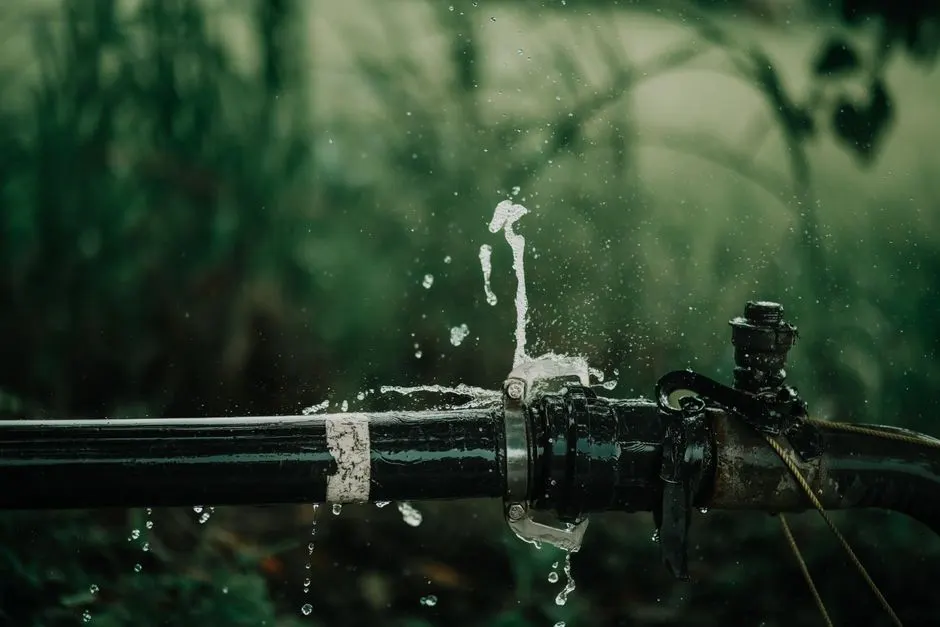
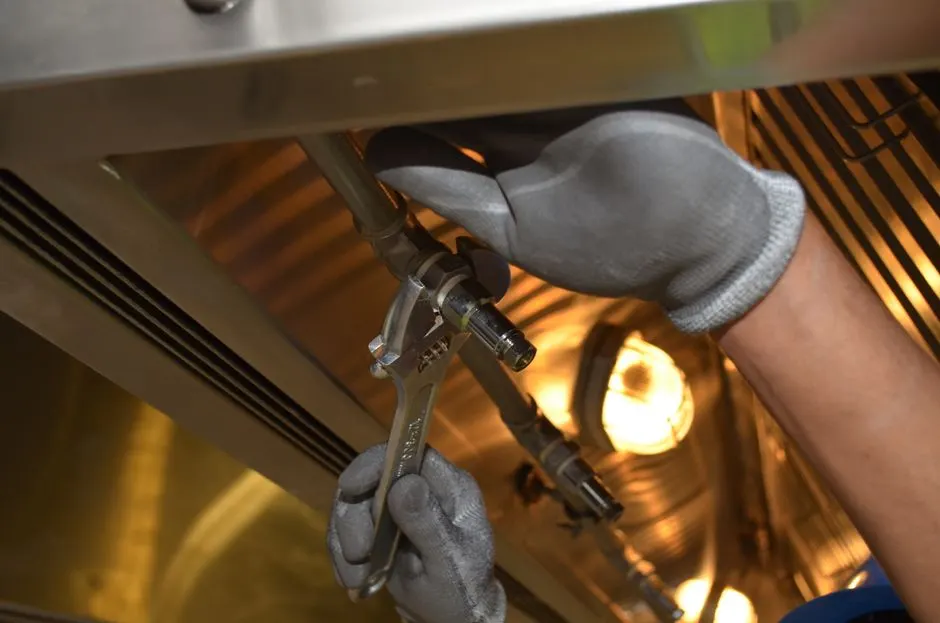
- Burst line repair in homes — A burst pipe can damage floors, cabinets, and finished ceilings before you see the source. We remove the failed section, fit a compatible repair, and verify the line under normal use. Shawano homeowners get a direct explanation of the break and any nearby moisture that needs attention.
- Seasonal property line protection — For lake-area and other seasonal homes, we inspect connected plumbing and discuss whether a line should be drained, isolated, or kept warm. We check shutoffs and exposed runs before the property is left vacant. That gives you a practical plan based on the home's actual pipe layout.
- Leak checks after winter thaw — When ice clears, we look for drips, damp insulation, and moisture behind the visible pipe route. A moisture meter helps us check Shawano basements, cabinets, and wall areas where a leak may be hidden. We repair the source first, then address water that has reached building materials.