Logo
Get Estimate

Water Extraction and Structural Drying in Wisconsin

We remove pipe water and dry the structure thoroughly


Water Extraction and Structural Drying in Wisconsin helps homeowners and property managers limit damage after a burst pipe, frozen line, or hidden leak. Our team removes standing water, checks affected materials, and sets up controlled drying so you can address wet floors and walls before damage spreads. Call Wisconsin Frozen Pipe Pros when a leak has soaked a room, basement, or shared building space.

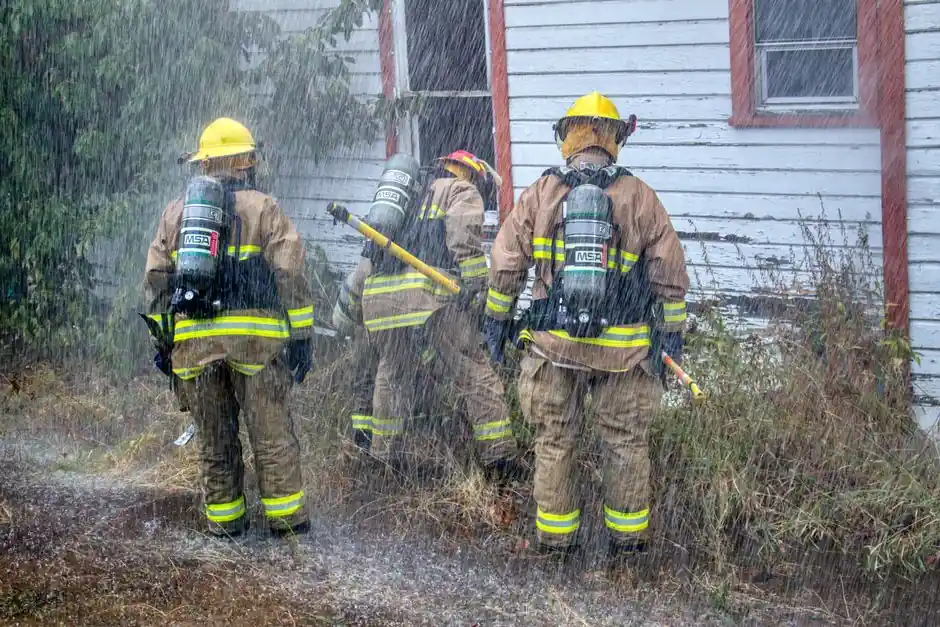
Firefighters in protective gear respond to a house fire with water hoses in Chewelah, WA.
Licensed Licensed & Bonded
Fully Insured Insured & Bonded
24/7 Emergency Same-Day Response
Warranty Backed Workmanship Guaranteed

What Water Extraction and Drying Includes

Water Extraction and Structural Drying in Wisconsin covers water removal and monitored drying after the leak source has been controlled. We assess affected rooms, extract accessible water, place appropriate equipment, and check moisture readings as the structure dries. If a pipe repair is needed, we coordinate that work with the drying plan. Material replacement and reconstruction are handled as separate repair work when the inspection shows they are necessary.

Affected-Area Inspection

We inspect the visible water path and nearby materials, including floor edges, baseboards, and adjoining rooms. Moisture readings help identify where drying is needed beyond the obvious puddle. You get a clear description of the wet area and the points we will recheck.
Standing Water Extraction

We remove accessible water from hard surfaces and affected floor coverings with suitable extraction equipment. The aim is to reduce free water before setting drying equipment. We also protect unaffected areas and keep the work zone as usable as the conditions allow.

Drying Equipment Setup

We place air movers and dehumidification equipment based on the affected materials and room layout. Equipment is positioned to move moisture out of wet surfaces and manage humidity in the space. We explain its purpose and what to expect while it operates.

Moisture Rechecks

We take repeat readings at affected points to track drying rather than guessing from appearance. If readings stall or show a new wet area, we adjust the equipment or investigate further. At completion, we review the measured progress with you.

Leak-Source Coordination

Water should not be dried while the source is still active. We coordinate pipe isolation and repair, then confirm the leak has stopped before treating the building materials. This is especially important after a frozen line starts flowing again during thawing.

Water Extraction and Structural Drying in Wisconsin


Water Extraction and Structural Drying in Wisconsin is a water damage restoration service that removes standing water and dries building materials after a pipe leak or burst. We first stop the water source, then extract water from floors and low areas, measure moisture in affected materials, and place drying equipment where readings show it is needed. A moisture meter helps us track progress beyond the visible puddle. The goal is to reduce retained moisture in flooring, wall cavities, and framing while keeping the work area safe and accessible.

Wisconsin winters bring frozen water supply pipes, blocked water flow from ice, and a burst pipe after thawing; spring thaw and heavy rain can also expose leaks in basements and utility rooms. We provide Wisconsin water extraction and structural drying for homes, rentals, and small commercial buildings, including emergency Water Extraction and Structural Drying in Wisconsin after a late-night failure. You get a clear sequence: stop the leak, remove water, document moisture, and dry the materials that can be saved.

What Happens During Service

Water extraction and structural drying in Wisconsin follows a measured sequence, not a guess based on how a room looks. We coordinate the water shutoff and pipe repair, protect unaffected areas, and explain the equipment before it runs. Most drying setups are checked daily; the actual duration depends on the materials, water volume, and indoor conditions.

01

Schedule

Call or book online — a real human picks up and confirms a 2-hour arrival window.

02

Diagnose

Licensed tech inspects on-site, then walks you through the cause and your options.

03

Fix

The job is completed to code and done right the first time — no shortcuts, no surprises.

04

Guarantee

Every job backed by a written workmanship warranty — and we stand behind it.

Equipment and Drying Methods

Tools & Equipment

Moisture meter

We measure moisture in affected building materials and repeat the readings during drying. The results help identify the wet boundary, compare progress, and decide when equipment can be adjusted or removed.

Thermal imaging camera

We use temperature patterns to help locate areas that deserve closer moisture inspection. Thermal images guide the next check; they do not replace direct readings or confirm moisture by themselves.

Wet/dry vacuum

A wet/dry vacuum removes accessible water from hard surfaces and low areas after a pipe leak. We use it during extraction before setting up longer-running drying equipment.

Borescope inspection camera

Where a small existing opening provides access, a borescope can help us inspect a concealed cavity. We use what we see alongside moisture readings to decide whether further access or drying is appropriate.

Infrared thermometer

We check surface temperatures to understand conditions around affected materials and equipment placement. Temperature readings add context to moisture measurements, especially in cold utility areas or rooms affected by winter pipe failures.

Methods & Standards

Source control before drying

We stop or repair the leak before treating wet materials, then verify that water is no longer entering the structure. This avoids running equipment against an active source. After a thaw, we check for a burst pipe after thawing because a line can begin leaking only when water flow returns.

Moisture mapping and repeat checks

We record affected points and revisit them to see whether materials are drying. Readings help distinguish a surface that has improved from a cavity that remains damp. If progress changes, we alter equipment placement or investigate the area rather than assuming the original setup is still sufficient.

Targeted airflow and dehumidification

We place air movers and dehumidification equipment to promote evaporation from affected surfaces and control room humidity. Placement reflects the material, room configuration, and access needs. We check the setup during follow-up so airflow remains useful as drying conditions change.

Safe work-area management

We keep equipment and cords arranged to reduce trip hazards, isolate wet areas from electrical risks, and follow applicable OSHA safety standards for the work. If water is near electrical equipment, we avoid entering the hazard area until it is safe. Your household receives clear instructions about the active drying zone.

When to Call for Drying

01

A frozen supply pipe bursts overnight, soaking a basement ceiling and leaving water on the floor.

What we do: We first stop the water and repair the failed section, then inspect the ceiling, floor, and nearby wall edges. Our team extracts accessible water and sets equipment to dry affected materials. We use repeat readings to track whether the ceiling assembly and floor are progressing at different rates.

→ The leak is controlled, standing water is removed, and you know which surfaces are drying and which may need repair.

02

A pipe begins leaking after thawing, but the wet mark appears far from the visible pipe run.

What we do: We check the accessible pipe route and map moisture around the stain, including adjacent rooms and floor edges. Once the leak is repaired, extraction and drying follow the measured wet area. We explain whether the stain is the full extent or only the point where water became visible.

→ You get a source-focused repair and a drying plan based on the water path, not just the most obvious mark.

03

A water heater connection fails before a holiday and wets stored items and finished flooring.

What we do: We isolate the supply, remove accessible water, and check the floor beneath nearby contents where safe access is possible. Our team keeps salvageable items separate from wet materials and positions drying equipment to address the floor and room air. Moisture checks guide the follow-up.

→ The floor receives prompt attention, the wet boundary is documented, and you can decide what contents need cleaning or replacement.

04

A small commercial utility-room leak reaches a shared corridor during a winter cold snap.

What we do: We identify the leak source, contain water movement, and extract from the utility room and corridor. Equipment is arranged to preserve a safe route through the building where conditions allow. We take readings in each affected material zone and explain any access needed for concealed moisture.

→ The building manager has a documented drying sequence and a clearer basis for arranging repairs without overlooking the shared area.

How Drying Runs Across Wisconsin

Water extraction and building drying in Wisconsin must account for hard freezes, thaw cycles, and buildings with different insulation and pipe layouts. In November and through winter, exterior-wall supply lines, basement runs, and utility spaces are common concerns; a warm spell can reveal a split line that stayed quiet while frozen. Our team checks the source and the building materials together, then selects equipment for the affected area rather than treating the whole property alike. For structural drying after a burst pipe Wisconsin properties need, we use moisture readings to set the drying boundary and track progress. Older homes, newer subdivisions, multifamily buildings, and commercial spaces all present different access points. Plumbing repairs follow applicable Wisconsin plumbing code and Wisconsin Uniform Dwelling Code requirements for the work. We coordinate with property owners or managers when water reaches shared areas, and we explain where equipment will run and what needs to remain accessible. In cold rooms, indoor temperature and airflow affect drying speed, so follow-up readings matter.

Neighborhoods We Serve

  • Monona

    Homes with finished lower levels can hide water at flooring edges after a supply-line leak. We check adjoining rooms and basement wall bases, not only the visible puddle.

  • Sheboygan

    Cold-weather pipe runs in basements and utility spaces need source control before drying begins. We assess the affected room and confirm water has stopped before placing equipment.

  • Hudson

    A frozen pipe can release water into a finished room after temperatures rise. We inspect the path from the pipe area to floor transitions and monitor each affected material.

  • Ashland

    Extended cold periods can expose vulnerable supply lines and freeze-damaged fittings. We focus on the repaired line and the building materials that were wet when water returned.

Local Conditions We Plan For

  • Repeated freeze-thaw cycles expose hidden plumbing leaks

    A line can remain blocked by ice, then release water as it warms. We verify that the pipe is sound after flow returns and check surrounding walls and flooring for moisture that continued unnoticed.

  • Cold basements and exterior-wall pipe routes slow drying

    Low room temperatures and limited airflow can extend equipment time. We measure conditions at affected materials, place equipment to suit the room, and use follow-up readings to determine whether the drying pattern is improving.

  • Multifamily layouts share corridors and service spaces

    A leak can cross a unit boundary or affect a common hallway. We map the affected areas separately, maintain safe access where possible, and communicate which spaces need equipment or additional inspection.

Basement Pipe Break Recovery

Before

A basement supply line split during a cold snap, leaving water across the utility-room floor and dampness along the bottom of a finished wall. The pipe was still leaking when the homeowner found the water. Stored boxes limited access, and the wall looked dry above the baseboard despite elevated moisture readings at the edge.

After

We stopped and repaired the leak, extracted standing water, and set drying equipment at the floor and wall boundary. The affected area was monitored for 4 days, with repeat readings showing the wet points trending down. The homeowner received a clear handoff on the remaining wall repair and the condition of the adjacent room.

Maintenance: Keep stored items several inches away from basement walls and check exposed supply lines during cold weather. If a leak appears, shut off the water safely and call before moving wet materials across the room.

Before

A laundry connection leaked behind the appliance and water ran beneath nearby flooring. The visible wet patch covered less than one corner of the room, but the baseboard and floor transition showed moisture beyond it. The family had stopped the water, but no one had checked the adjoining hallway.

After

We confirmed the connection repair, extracted water from the room, and checked the hallway and floor edge. Drying equipment ran for 3 days, with follow-up measurements guiding placement. The visible wet area was cleared, and readings identified the specific transition that needed continued attention before the equipment was removed.

Maintenance: Inspect laundry connections for drips and damp cabinet or wall edges. Leave access to shutoff valves, and investigate a new stain promptly rather than waiting for flooring to feel soft.

Before

A pipe leak in a building service area sent water under a door and into a shared corridor. Residents tracked moisture across the floor, and the manager could not tell whether the water had reached the next unit. A quick surface cleanup removed the puddle but left uncertain damp areas.

After

We controlled the source, extracted the service area and corridor, and recorded readings in each affected section. Equipment was positioned to keep a practical passage open where conditions allowed. Follow-up checks over 4 days clarified which floor areas were drying and whether further access was needed.

Maintenance: Keep service-room shutoffs accessible and report unexplained floor moisture immediately. Building managers should note the first affected areas and limit foot traffic through wet zones until extraction and safety checks are complete.

Solve Pipe-Leak Damage Before It Spreads

Water left behind after a pipe failure can travel under flooring, soak wall edges, and remain hidden after the visible surface looks dry. We identify the source, remove accessible water, and track damp materials with repeat readings. That gives you a practical answer to how to dry walls and floors after a pipe leak in Wisconsin without relying on guesswork.

Problem

Standing water remains after a frozen line releases

Water can spread into flooring seams, lower cabinets, and adjoining rooms, increasing the area that needs drying and repair.

Our Fix

We confirm the leak has stopped, extract standing water from accessible surfaces, and inspect beyond the visible wet edge. A moisture meter helps us mark affected points for follow-up. We then place drying equipment based on the materials involved and return to check whether the wet boundary is shrinking.

Problem

A wall feels dry but moisture remains inside

Surface appearance can hide damp insulation, framing, or the back of drywall, leaving the source of a musty smell unresolved.

Our Fix

We compare surface and material readings, inspect adjoining areas, and use appropriate diagnostic tools where access is limited. If findings show a concealed wet cavity, we explain the options for access and drying. We do not call the area dry based only on touch or appearance.

Problem

Water keeps entering after an incomplete pipe repair

Fresh leakage undermines drying progress, wets materials again, and may obscure the original extent of the damage.

Our Fix

We trace the active source and coordinate a proper pipe repair before continuing the drying cycle. After repair, we test the line and recheck the affected area for new moisture. The drying plan then follows the updated readings rather than the conditions from before the leak was stopped.

Problem

Cold-weather pipe damage affects a shared building area

Water can reach a hallway, utility room, or neighboring unit, complicating access and creating a wider wet area.

Our Fix

We coordinate access, identify the affected boundaries, and extract water from each impacted section. Equipment placement accounts for doors and shared walkways, and we record separate readings where areas have different materials. You receive a clear update on which spaces are drying and what needs attention next.

What Proper Drying Delivers

What Proper Drying Delivers

A wet room needs more than a quick mop. We remove water from accessible surfaces, identify damp materials that need targeted airflow, and keep checking readings as the structure dries. You see what is wet, what is being dried, and when measurements indicate progress.

  • Less Water Left Behind

    Our wet/dry vacuum and extraction equipment remove water from hard floors, carpet edges, and other accessible areas before it migrates farther. For a small room, extraction may take 1-3 hours depending on the water volume and floor covering. We also check adjoining spaces because water can travel beneath trim or through a doorway.

  • Measured Drying Progress

    We use moisture readings rather than appearance alone to judge whether a wall or floor is dry. A surface can feel dry while a cavity remains damp. During water removal and building drying in Wisconsin, we record repeat readings at affected points and adjust equipment as the moisture pattern changes.

  • Focused Equipment Placement

    Air movers and dehumidification are positioned to move moisture out of the materials that were actually affected. We avoid treating every room as if it has the same drying needs. That keeps the work area practical for your household while giving damp flooring, framing, and wall edges sustained airflow.

  • A Clear Next Step

    After extraction, we explain which materials are drying in place and which need repair or removal. A hidden pipe leak, for example, needs a plumbing repair before drying can finish. You leave with measured progress, a practical plan, and a known point for the next inspection.

Work Standards and Credentials

Licensed & Certified

  • Wisconsin master plumber license — issued by Wisconsin Department of Safety and Professional Services
  • Wisconsin journeyman plumber license — issued by Wisconsin Department of Safety and Professional Services
  • Wisconsin dwelling contractor certification — issued by Wisconsin Department of Safety and Professional Services
  • OSHA safety standards — issued by Occupational Safety and Health Administration

Verified Reviews

Customer feedback Not stated

A homeowner in Sun Prairie described a laundry-room pipe leak that spread into the hallway. The crew stopped the source, extracted the water, and returned to check moisture readings. The customer valued knowing which areas were drying and why the equipment remained in place.

Customer feedback Not stated

A Sheboygan customer reported water on a basement floor after a pipe thawed. The team checked the nearby wall, removed standing water, and explained the follow-up readings. The customer said the process made it clear which repairs remained after the drying work.

Customer feedback Not stated

A Monona property manager described a leak that affected both a unit and a shared hallway. The crew documented separate readings, arranged equipment around the passage, and provided a practical update for the tenant. The manager appreciated having specific information rather than a surface-only cleanup.

Practical Pipe-Damage Expertise

Our Wisconsin team handles water loss as both a plumbing problem and a building-drying problem. We trace the leak, distinguish a split copper pipe from a cracked PEX water line, and coordinate repair with extraction so water does not keep entering the structure. Our technicians use moisture mapping and controlled equipment placement rather than relying on a dry-looking surface. Plumbing work is performed by appropriately credentialed professionals, with applicable Wisconsin plumbing code and Wisconsin Uniform Dwelling Code requirements considered for the work involved. We explain what we find in plain language and keep the next step clear.

  • We inspect for a frozen water supply pipe and check for a burst pipe after thawing before closing up a wet area.
  • A thermal imaging camera helps identify temperature patterns that can point to hidden moisture or a concealed leak.
  • We use a borescope inspection camera when a small access opening can clarify conditions inside a wall or floor cavity.
  • Pipe repair materials are selected for the line and application, including compatible copper fittings or PEX fittings.
  • Our team separates the plumbing repair decision from the drying readings so you know which issue each step addresses.
Get Started Today
Practical Pipe-Damage Expertise

Cities We Serve Across Wisconsin

Our statewide coverage brings water extraction and structural drying to communities with different building layouts, winter exposure, and travel needs. We serve Sheboygan, Sun Prairie, Superior, and towns across the state, coordinating the response around the leak source and affected materials. If water has reached a basement, shared hallway, or finished room, our team assesses the wet area and explains the drying plan. We also provide water removal and building drying in Wisconsin for residential and property-management situations.

Sheboygan

We respond to pipe leaks in basements, utility rooms, and finished living areas, starting with source control and extraction. Moisture checks guide the drying equipment and follow-up.

Sun Prairie

After a burst supply line, we check the visible room and adjoining floor transitions. We extract standing water, set targeted equipment, and track readings as materials dry.

Superior

Cold-weather pipe failures can leave water in lower-level rooms and around exterior walls. We coordinate pipe repair with extraction and measured drying of affected materials.

Germantown

We address residential pipe losses by locating the wet boundary, removing accessible water, and monitoring floors and wall edges. Follow-up readings show where drying is still needed.

Ashwaubenon

Our team coordinates leak control and water removal for homes and shared building spaces. We keep equipment placement focused on the materials affected by the pipe failure.

Hudson

When a line leaks after thawing, we check that water flow is controlled before drying begins. We inspect adjoining surfaces and monitor the affected floor and wall areas.

Stoughton

We help homeowners recover from pipe leaks with extraction, moisture mapping, and a practical drying schedule. The assessment includes nearby rooms where water may have traveled.

Richfield

A basement or utility-room leak needs fast source control and measured drying. We remove standing water and recheck the affected building materials as equipment runs.

Lisbon

We assess pipe-related water damage by tracing the wet area beyond the visible stain. Extraction and equipment placement are based on the floor, wall, and access conditions.

Tomah

After a pipe burst, we coordinate repair with extraction so the water source is controlled before drying. Repeat measurements help determine when affected materials are ready for follow-on work.

Monona

We handle residential and shared-area leaks by mapping each affected zone and arranging equipment around access needs. Readings help clarify progress for owners and property managers.

Ashland

Cold-weather line failures can wet floors and concealed wall edges. We stop the source, extract accessible water, and monitor the affected materials through the drying period.

Delafield

We check the water path after a pipe leak, including floor transitions and nearby finished areas. Targeted extraction and repeat moisture readings guide the drying work.

Milton

Our team coordinates pipe repair and water removal after a line failure, then places equipment according to the wet boundary. Follow-up checks keep the drying plan tied to measured progress.

Bristol

We respond to pipe-related water in homes and small buildings, extracting standing water and checking adjacent materials. The drying setup reflects the room layout and moisture readings.

Water Damage Drying Questions

Real answers to the questions we hear most often from local homeowners and property managers.

How much does Water Extraction and Structural Drying cost in Wisconsin?
A contained pipe-loss job often costs $500-$2,500, while extensive water damage can exceed $5,000. Typical 2026 pricing in Wisconsin depends on water volume, affected rooms, materials, equipment days, and whether wall or floor removal is needed. We assess the wet area and explain upfront pricing before work proceeds. Plumbing repair and reconstruction can add separate costs if the pipe or building materials need replacement.
Who provides water removal and building drying in Wisconsin?
Wisconsin Frozen Pipe Pros provides water removal and building drying in Wisconsin for homes and properties affected by pipe leaks or bursts. We coordinate stopping the leak, extracting accessible water, placing drying equipment, and tracking moisture readings. Our plumbing work is handled by appropriately credentialed professionals, and we consider applicable Wisconsin plumbing code requirements. Call +18555851930 to describe the leak and the rooms affected.
How quickly should water extraction start after a pipe bursts in Wisconsin?
Start extraction as soon as the leak is stopped and the area is safe, ideally within 24 hours of water entering the building. Prompt Wisconsin water extraction after a frozen pipe bursts reduces the time water sits against flooring, trim, and drywall. Shut off the water supply if you can do so safely, avoid wet electrical areas, and call for help. We first confirm the source is controlled, then remove standing water.
How long does structural drying take after a Wisconsin pipe leak?
Many contained losses take 3-5 days of active drying, while dense materials or concealed water can take longer. We check moisture readings during follow-up visits and adjust equipment instead of relying on a fixed day count. For how to dry walls and floors after a pipe leak in Wisconsin, the key is to identify the full wet area, maintain suitable airflow and dehumidification, and confirm progress with repeat measurements.

Related Pipe and Water Services

Frozen Pipe Thawing

A frozen line needs controlled thawing before water can flow normally again. We identify the affected section, restore flow safely, and check for leakage as the ice clears. If a pipe has split, we then coordinate repair and water extraction so thawing does not leave a wet room behind.

View Frozen Pipe Thawing

Frozen Pipe Repair

A frozen pipe can crack or separate at a fitting, releasing water into walls, ceilings, or floors. We repair the damaged line, test it for leaks, and arrange extraction and drying for affected building materials. That sequence addresses both the water source and the damage it caused.

View Frozen Pipe Repair

Emergency Frozen Pipe Repair

A pipe failure at night or during a cold snap needs the leak stopped promptly. We isolate the line, repair the damaged section where possible, and begin water removal when the area is safe. Rapid source control helps limit how much water reaches adjacent rooms and concealed spaces.

View Emergency Frozen Pipe Repair

Burst Pipe Repair

We locate the burst section, shut down water flow, and repair the line using compatible materials and fittings. Once the leak is controlled, our team extracts standing water and checks affected materials. You get a coordinated response rather than a plumbing fix that leaves wet flooring unattended.

View Burst Pipe Repair

Frozen Water Line Repair

A frozen water line may remain blocked or leak after thawing. We inspect the accessible run, identify damaged pipe or fittings, and restore service with a tested repair. If water escaped, we also assess the surrounding structure and set up drying where moisture readings show it is needed.

View Frozen Water Line Repair

Frozen Plumbing Pipe Repair

Cold conditions can damage supply lines in basements, crawlspaces, and exterior-wall cavities. We repair the affected plumbing and check for a recurring pipe freeze that could cause another failure. If the leak soaked building materials, extraction and measured drying are coordinated with the repair.

View Frozen Plumbing Pipe Repair

Call for Water Extraction and Structural Drying

Water Extraction and Structural Drying in Wisconsin starts with stopping the leak and removing standing water. Our team provides upfront pricing; call +18555851930 to arrange service for your property.

Call Now Call for Service

Contact Wisconsin Frozen Pipe Pros

Call +1 855-585-1930 any time for frozen lines, active leaks, or water damage after a pipe burst. Our team takes emergency calls 24/7 and serves homes and businesses across Wisconsin, including Milwaukee, Madison, Green Bay, and communities statewide. Tell us what stopped working and where you see water; we will help you take the next practical step.

Or call us right now at +18555851930 — we answer.

Wisconsin Frozen Pipe Pros


  • Phone

    +18555851930
  • Address

    Wisconsin

  • Hours

    Mon–Fri: 7AM – 7PM
    Sat: 8AM – 4PM
    Sun: Emergency Only
    24/7 Emergency Available

Call +18555851930 Get Quote
Call Quote