


Residential Frozen Pipe Repair in Prairie du Sac
Prairie du Sac homes range from older village houses to newer construction, remodels, and properties with additions or attached garages. Each layout creates different places for water lines to meet cold air: basement rim areas, crawlspaces, exterior walls, and utility rooms. When one bathroom or kitchen loses water, we identify whether the issue is one branch or a broader supply problem. Frozen Pipe Repair in Prairie du Sac includes careful thawing, checking for a burst pipe after thawing, and replacing damaged sections where needed. We work to restore the fixture your household needs while protecting floors, cabinets, and stored belongings. After flow returns, we inspect accessible joints and explain which part of the line was vulnerable.
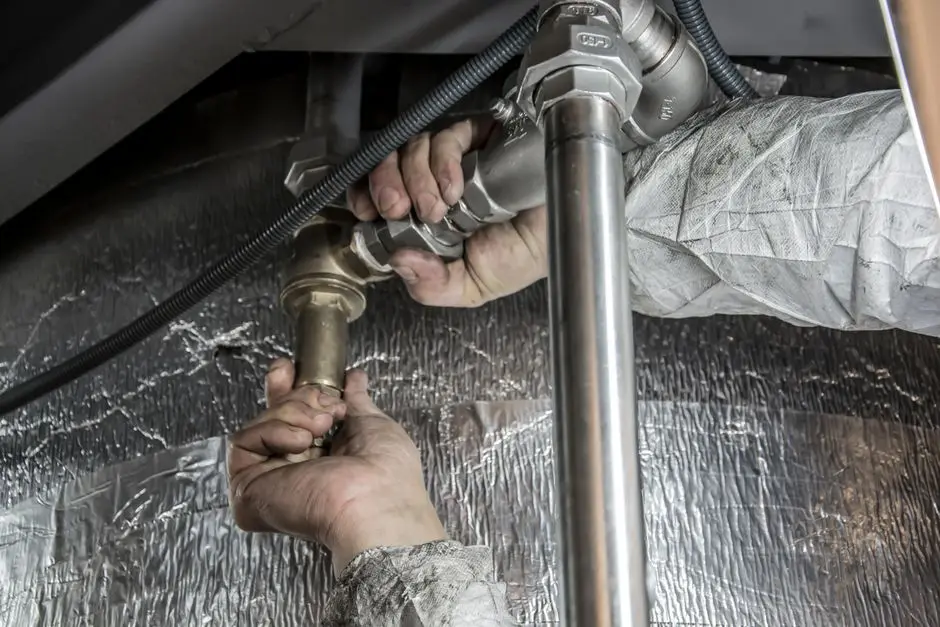
- Home pipe thawing and flow testing — We thaw accessible lines in Prairie du Sac homes with a method suited to the pipe and its location. Water returns gradually, and we test the affected faucet or fixture before leaving. If the line does not hold pressure or a joint leaks, we move directly to repair rather than treating restored flow as the only result.
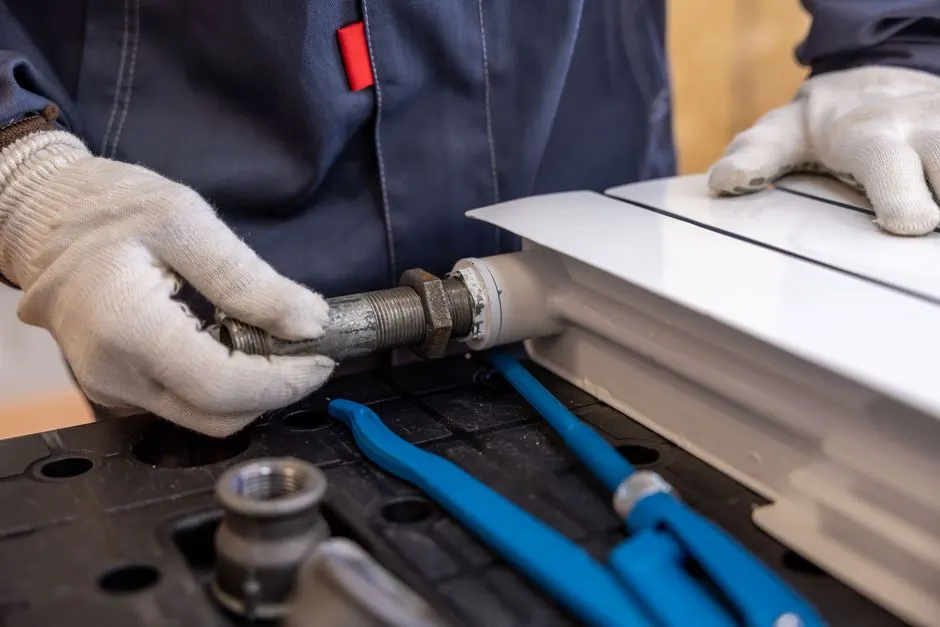
- Frozen line and fitting replacement — When ice has cracked a pipe or fitting, we isolate the supply and replace the damaged section with a compatible repair. Prairie du Sac homes may have mixed materials after past renovations, so we confirm the connection type before cutting or joining. We restore water and check the repair under normal use.
- Leak checks after thawing — A thaw can uncover a leak behind a cabinet, near a basement ceiling, or at an exposed connection. We inspect accessible areas and use moisture checks where dampness is suspected. In Prairie du Sac, finding the leak promptly helps you stop water before it reaches more flooring or stored items.
- Burst-pipe water removal — If a pipe has released water into a home, we first stop and repair the plumbing source. We then remove standing water and assess the wet area for drying needs. Prairie du Sac homeowners get a clear sequence: control the leak, extract water, and address affected materials.