
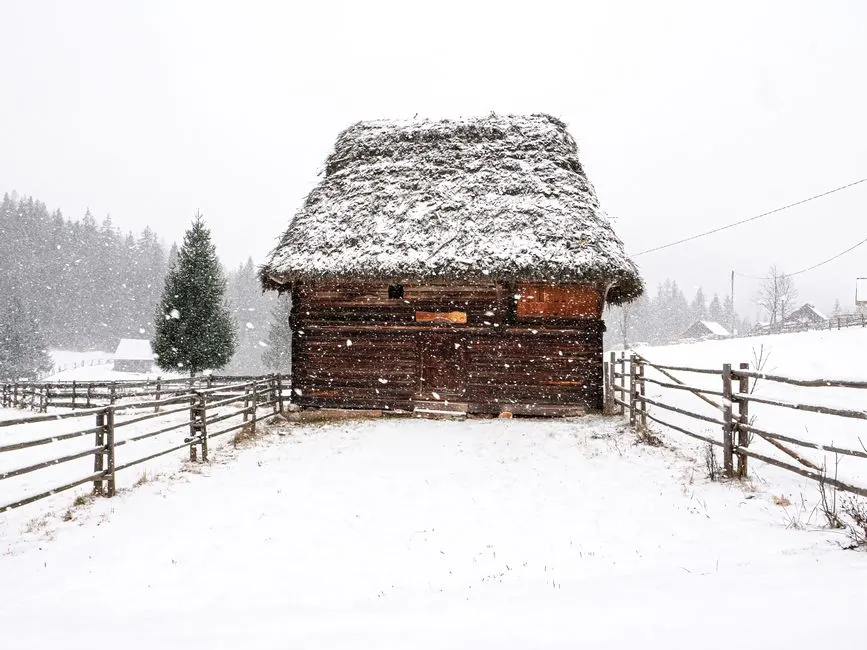
To prevent frozen pipes in a Wisconsin cabin, either keep every plumbing area reliably warm through winter or shut off the water and drain the system completely before leaving. Insulate exposed lines, protect the well and pressure equipment, and arrange for someone to check the cabin during severe cold. A thermostat alone will not protect a pipe hidden in a drafty crawlspace. We'll explain how to choose a winter plan, where freezing starts, and what to do before you lock up for the season.
How to prevent frozen pipes in a Wisconsin cabin is a practical winterization plan that keeps water lines above freezing or removes standing water before the building sits vacant. The right approach depends on whether you'll visit regularly, how the cabin is heated, and whether its plumbing can be drained fully.
How do you prevent frozen pipes in a Wisconsin cabin?
Preventing frozen pipes in a Wisconsin cabin means keeping vulnerable plumbing warm, insulating cold-side runs, and either maintaining heat or draining the water system before extended absences. Start before November's first sustained freeze, not after a forecast calls for a deep cold snap.
Wisconsin cabins vary widely: a heated home near Madison has a different risk profile from a lake cabin with a shallow crawlspace, exposed well line, or uninsulated addition. Our team helps owners with Frozen Pipe Repair in Wisconsin identify the weak spots that ordinary room-temperature checks miss.
Walk the entire water route from the well or service entry to the fixtures. Look for pipes along exterior walls, under kitchen cabinets, in unheated utility rooms, above crawlspaces, and near doors where wind pushes cold air inside.
- Find the main shutoff, well pump switch, water heater, pressure tank, and any drain valves.
- Check the crawlspace and basement for openings, missing insulation, and plumbing that touches cold surfaces.
- Photograph valve positions and label the shutoff so a caretaker can act quickly.
For a cabin that stays occupied, keep the heating system running and set a low-temperature alert if the thermostat supports one. For an unoccupied cabin, do not assume a low heat setting is a substitute for draining; a power outage or furnace failure can freeze a line long before anyone notices.
Should you drain cabin plumbing before winter?
Drain cabin plumbing before winter if the building will be unheated or unattended for long periods; shutting off the supply alone leaves trapped water that can freeze and split pipes. A complete winterization includes fixtures, appliances, pumps, and low sections of pipe.
First shut off the water supply. If the cabin uses a private well, follow the pump manufacturer's instructions for switching off power and relieving pressure; do not run a pump dry. Open faucets and drain valves, beginning at the highest fixtures and working toward the lowest point.
Empty toilets and tanks, disconnect outdoor hoses, and drain washing machines, water filters, and any refrigerator line. Traps and toilet bowls still hold water, so use plumbing-safe antifreeze where appropriate and follow the product label. Never use automotive antifreeze in plumbing.
Some systems need more than gravity drainage. A line may sag between supports, a check valve can trap water, and a water heater can retain several gallons. If you are unsure which valves to open or how to protect a pump, our Frozen Pipe Thawing in Wisconsin work gives us firsthand experience with the places water remains trapped and freezes first.
Keep a written checklist at the cabin and repeat the same sequence each fall. If you plan to leave water on for a caretaker or occasional winter use, have the system assessed rather than partially draining it; an isolated section can freeze while the rest of the building stays warm.
Keep vulnerable lines warm and insulated
Insulating cabin water lines in Wisconsin slows heat loss, but insulation does not create heat, so pipes still need warm surrounding air or a reliable heat source. Prioritize exposed runs in crawlspaces, rim joists, garages, and cabinets on exterior walls.
Seal air leaks before adding insulation. Wind moving through a foundation opening can chill a pipe even when the cabin's living room feels comfortable. Use suitable expanding foam or caulk around gaps, while keeping required combustion-air openings clear and following product directions.
Fit pipe insulation snugly around the line, including elbows and tees; close seams and gaps. For especially exposed runs, a listed heat cable can add protection when installed according to its instructions. Do not overlap heat cable unless the manufacturer specifically permits it, and do not cover it with insulation unless its rating allows that use.
Keep cabinet doors beneath sinks open during extreme cold so room heat reaches the plumbing. If a sink sits against an outside wall, remove stored items that block airflow and check the cabinet after a cold night. A small fan can circulate warm indoor air, but it cannot fix a pipe in a freezing crawlspace.
Cabin plumbing freeze prevention also includes the water entry. Insulate the exposed well line and protect the pressure tank and pump area from drafts; confirm that the well casing and equipment remain accessible for service. In the Fox Valley, owners arranging Frozen Pipe Repair in Appleton often find that pipes near additions, garages, and crawlspaces are more vulnerable than the main living area suggests.
Protect the cabin when you leave it unoccupied
To winterize plumbing in an unoccupied Wisconsin cabin, choose either a fully drained system or continuous heat with remote monitoring and a local person who can respond. The best choice is the one you can verify, not merely the one you intend to maintain.
If you keep the cabin heated, set the thermostat to at least 55°F as a baseline, then verify that enclosed plumbing spaces stay above 32°F during cold weather. A thermostat on the main floor does not measure the temperature in a north-facing crawlspace. Add a remote sensor near the most exposed line and set an alert around 40°F to give you time to act before freezing becomes likely.
Ask a neighbor, property manager, or caretaker to check the cabin after a power failure, furnace alarm, or forecast of prolonged subzero temperatures. A weekly visit is useful, but it cannot catch a furnace failure the same day. Remote temperature alerts and a confirmed local contact offer better coverage.
If the cabin has a generator, test it before winter and confirm which circuits it supports. A generator that runs lights but not the furnace will not protect plumbing. Keep fuel and operating instructions available, and never run a generator indoors or in an attached garage.
Owners who want Frozen Pipe Repair in Madison often ask us how to plan for a second property several hours away; the same rule applies statewide: decide who can reach the property, find the shutoff, and act if heat or power fails.
Common mistakes that put cabin pipes at risk
Common cabin winterizing mistakes include turning off the water without draining pipes, relying on one thermostat, and overlooking lines outside the heated envelope. Those shortcuts leave water in the exact places that freeze first.
- Closing the main valve and stopping there: water remains in branch lines, fixtures, tanks, and appliances.
- Setting heat too low: a 50°F room reading does not prove a pipe in a crawlspace is warm enough.
- Wrapping insulation around a draft: seal the air leak as well; moving cold air defeats much of the insulation's benefit.
- Leaving a hose connected: disconnect it and drain the outdoor faucet and branch line if the plumbing design allows.
- Waiting for a burst to act: a frozen pipe can split before water appears, then leak as it thaws.
When you return, open the main water supply slowly and watch the pressure gauge and exposed joints. Check under sinks, around the water heater, and near the well equipment. If you hear water running with every fixture closed, see a sudden pressure change, or smell dampness in a wall, shut the supply off and investigate promptly.
When to call a professional
A Wisconsin cabin needs a plumbing professional when you cannot drain a system fully, a line freezes repeatedly, or a frozen pipe has stopped water flow. We can trace the vulnerable section, thaw it using controlled methods, and check for damage before restoring normal use.
Do not use a torch, open flame, or charcoal heater to thaw a pipe. If you can reach the frozen section safely, a hair dryer or warm towels may thaw a small exposed area; keep the heat moving and stop if you see a leak, smell burning, or cannot identify the pipe material.
If a pipe has split, close the main shutoff and turn off electricity to any wet area only if you can reach the breaker safely. Our team can locate the break and handle frozen plumbing pipe repair in Wisconsin, including the checks needed after thawing. We explain the repair and pricing before work begins.
Call before winter if you are unsure whether your cabin's plumbing can be drained or whether a heat cable is suitable for the installation. Wisconsin Frozen Pipe Pros can help you build a practical plan for your water supply, crawlspace, and fixtures before the next hard freeze.
Frequently Asked Questions
How do I prevent pipes from freezing in a Wisconsin cabin?
Keep the cabin at 55°F or higher, insulate exposed lines, and monitor cold areas; if it will be unheated, shut off the supply and drain the plumbing completely. Protect the well equipment and outdoor faucets too. Check temperature alerts during cold snaps, because the temperature inside a crawlspace can drop below freezing while the main room remains comfortable.
Should I drain cabin plumbing before winter?
Yes, drain the plumbing if the cabin will be unheated or left unattended for extended periods. Shut off the water, drain fixtures and appliances, and address water trapped in tanks, traps, pumps, and low pipe sections. Follow the equipment instructions and use plumbing-safe antifreeze only where appropriate; never use automotive antifreeze.
What temperature should a Wisconsin cabin be kept at to protect pipes?
Keep an occupied or winter-heated cabin at 55°F or higher, and use a remote alert near 40°F in vulnerable areas. The alert gives you time to respond; it is not a safe operating temperature for the pipe itself. Verify crawlspaces and cabinets separately, since room thermostats do not measure those locations.
Who can winterize cabin plumbing in Wisconsin?
A Wisconsin plumbing professional can inspect the system, identify drain points, and protect well equipment and exposed lines before the cabin is left vacant. Ask for help if the layout includes a pressure tank, water heater, appliance connections, or pipes that cannot drain by gravity. Wisconsin Frozen Pipe Pros also handles frozen-line diagnosis and repair.
Get help with Frozen Pipe Repair in Wisconsin
A complete winter plan helps keep your cabin's water system protected through Wisconsin's coldest weeks. Call Wisconsin Frozen Pipe Pros at +1-855-585-1930 for help with frozen pipes, thawing, and repair.