
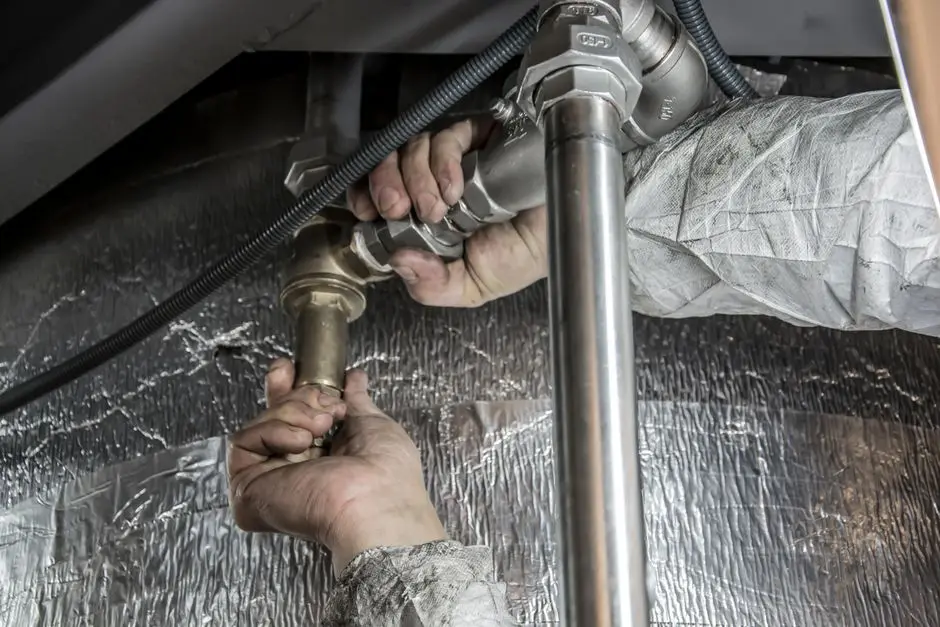
To find frozen plumbing pipes in your Wisconsin home, compare which faucets have stopped flowing, then trace the affected fixture's supply line toward cold spots such as exterior walls, unheated basements, crawl spaces, or garages. A single affected faucet usually points to a branch line; several fixtures without water can indicate a frozen main or a problem at the service entry. The checks below help you narrow the location without cutting walls or using unsafe heat. As November cold sets in, act as soon as a faucet slows or stops.
How to find frozen plumbing pipes in a Wisconsin home is a practical inspection process that identifies where ice is blocking a water line so it can be thawed safely before pressure causes a rupture. We help homeowners distinguish a frozen branch from a larger supply problem and get water moving again.
How can you tell which pipe is frozen in your house?
You can tell which pipe is frozen by testing nearby fixtures and following the supply line for the faucet that has weak or no flow. If one fixture is affected while others work, start with that fixture's branch line rather than the whole-house main.
Open cold water first, then hot water, at each sink, tub, and shower. Note whether both sides are affected and whether nearby fixtures on the same floor still run. A faucet that produces no water at all is a familiar no water from faucet frozen pipe clue, but a failed aerator, closed shutoff, or municipal interruption can look similar.
Use a simple map or phone note to record your results. This is especially useful in a two-story home, where a kitchen branch can run through a basement ceiling before rising inside an exterior wall.
- One faucet is dry, nearby faucets work: suspect that fixture's branch line.
- Several fixtures in one area are dry: check for a shared branch line in a cold wall or floor cavity.
- Every fixture is dry: check the main shutoff and ask whether neighbours have water before assuming the service line is frozen.
If you have a water meter accessible indoors, confirm that the main valve is open and look for an unusual meter reading when every fixture is off. A moving meter can point to a leak, not just a blockage. If the entire home loses water and neighbours are unaffected, the line near the foundation or incoming service deserves attention.
Where pipes commonly freeze in a Wisconsin home
Wisconsin plumbing pipes most often freeze where cold air reaches them and indoor heat does not: exterior-wall cavities, crawl spaces, unheated garages, rim joists, and basement areas near foundation openings. In prolonged cold, a vulnerable pipe can freeze even when the thermostat is set near 68°F.
Look first under kitchen and bathroom sinks on outside walls. Open the cabinet doors and use a flashlight to see whether the pipe sits against a cold exterior surface or passes through a drafty gap. Also check hose bibs, laundry connections, and pipes in a garage ceiling; outdoor temperatures and wind can chill these areas faster than the living space.
Older Wisconsin houses often have additions, enclosed porches, or plumbing rerouted through poorly insulated spaces. In a Milwaukee bungalow or a Madison home with a finished basement, the freeze point may be several feet away from the faucet, where a line crosses the rim joist or enters an exterior wall. Our service area includes homes facing these regional cold-weather conditions, including Frozen Pipe Repair in Milwaukee.
Common cold spots to inspect include:
- Exterior walls behind cabinets, especially where a sink sits beneath a window.
- Crawl spaces and unfinished basements with exposed supply lines.
- Garages, sheds, and rooms that are closed off from the home's heating system.
- Openings around sill plates, rim joists, vents, and plumbing penetrations.
- Outdoor faucets and the indoor pipe serving them, particularly if the hose remained connected.
In a crawl space, do not crawl into standing water or an area with unsafe access. From a safe entrance, look for frost, condensation, or a sharp temperature difference near the pipe. A room thermometer reading below 32°F is an obvious warning, but a pipe can freeze before the whole room reaches that temperature.
How to trace a frozen water line safely
You can trace a frozen water line safely by starting at the affected fixture, following visible pipe toward the main supply, and checking for cold, frost, or a sudden temperature change without opening walls. Keep the affected faucet open slightly so pressure can escape as the ice begins to melt.
Start at the shutoff valves under the sink. Follow the visible copper, PEX, or galvanized line into the cabinet or basement, then note where it disappears behind a wall or floor. A chilled section, frost, or a bulge can narrow your search, but the freeze may be hidden inside the cavity rather than on the exposed pipe.
For locating frozen water pipes indoors, compare the pipe's temperature along accessible sections with the back of your hand; do not hold your skin against very cold metal. A non-contact thermometer can help you compare adjacent pipe areas, though a reading alone cannot prove that ice is present. We use the flow pattern and access points together to identify the likely blockage before choosing a thawing method.
Once you have narrowed the location, use gentle warmth only if the pipe is exposed and there are no signs of a split or leak. A hair dryer on a low setting or warm towels can gradually warm an accessible section. Start near the faucet and work toward the colder area, keeping electrical equipment away from water.
Professional Frozen Pipe Thawing in Wisconsin is the safer route when a line is hidden, frozen over a long distance, or located near wiring or combustible material. We choose equipment suited to the pipe and access, thaw in a controlled way, and check that water flows without a leak once the ice clears.
What frozen pipe signs mean you should act quickly
Frozen plumbing line signs include reduced flow, no flow at one or more fixtures, frost on an exposed pipe, unusual pipe bulging, or new dampness near a wall or ceiling. A sudden change in water pressure during a Wisconsin cold snap is enough reason to investigate promptly.
Listen for a faint hiss or drip after a faucet stops working. If a pipe has split, water can escape behind drywall and remain unseen until it stains a ceiling or appears at a baseboard. A musty smell, bubbling paint, or a soft patch in drywall is not normal and calls for a quick shutoff and inspection.
Check the areas around the affected route, not just the faucet. A cold patch on a wall, frost around a pipe penetration, or moisture in the basement can reveal the location. Do not assume a frozen pipe is harmless because the floor is dry; ice can temporarily plug a crack and conceal leakage until thawing starts.
If you find active water, close the main shutoff if you can reach it safely. The valve is often near the water meter or where the service line enters the basement. Keep people away from wet electrical equipment and call for help rather than entering a flooded space.
Common mistakes while searching for a frozen pipe
The most common frozen-pipe search mistakes are using an open flame, ignoring a leak, and assuming a dry faucet proves the pipe is frozen. Each can turn a manageable blockage into a fire hazard or major water loss.
Never use a blowtorch, propane heater, or charcoal stove to thaw plumbing. Open flame can ignite nearby framing, insulation, or dust, and concentrated heat can damage plastic pipe or soldered joints. Do not use an extension cord or electric appliance where water is present.
Do not cut into drywall based only on a cold spot. A pipe can turn within a wall, and cutting blindly risks wiring, the pipe itself, or a second water line. A thermal camera or other professional inspection equipment can help narrow the route without opening a large section of the wall.
Another mistake is turning a frozen faucet off and forgetting it. Leave it slightly open while thawing so melting water and pressure have somewhere to go. Check the fixture and accessible piping frequently; if you hear a crack, see water, or notice a pipe deforming, stop and shut off the main.
When to call a professional to find a frozen pipe
Call a Wisconsin plumber to find a frozen pipe when more than one fixture has no water, the blockage is behind a wall, a service line may be frozen, or you see a leak, bulge, or water damage. If you cannot locate the pipe within 15-20 minutes of checking accessible areas, stop guessing and get help.
A plumber can trace the affected line from the fixture, inspect accessible sections, and use appropriate diagnostic tools to narrow a hidden freeze point. We also check for a split as the pipe thaws, because restoring flow without finding a crack can release water into a wall or basement.
We recommend calling promptly if the temperature has stayed below 20°F, your home has an unheated crawl space, or the affected pipe is close to electrical wiring. Those conditions raise the risk of damage and make improvised heating especially unsafe.
Our team at Wisconsin Frozen Pipe Pros can locate the likely freeze, thaw the line safely, and repair damage if the pipe has split. If your home is in the Fox Valley, we also handle Frozen Pipe Repair in Appleton, where exposed basement and garage piping can face the same sharp winter temperature swings.
Typical 2026 pricing in Wisconsin depends on access, the length of frozen line, and whether a repair is needed; a straightforward accessible thaw may be a few hundred dollars, while a hidden freeze or burst repair can cost more. We explain the price before work starts, so you know what the work involves.
Frequently Asked Questions
How can I tell which pipe is frozen in my house?
Test faucets one by one; if only one fixture has no flow, start with its branch line and trace it toward a cold area. If several fixtures on the same floor or side of the house are affected, check the shared supply route. Frost, unusual cold, and reduced flow help narrow the spot, but a plumber can confirm a hidden blockage.
Where do plumbing pipes usually freeze in Wisconsin homes?
Pipes most often freeze at exterior walls, crawl spaces, unheated garages, basement rim joists, and outdoor-faucet connections. Wisconsin cold snaps and wind can chill a pipe in an exposed cavity even while the home's thermostat reads 68°F. Check rooms with closed doors or weak heat first.
Can a plumber locate a frozen pipe behind a wall?
Yes. A plumber can trace the affected fixture's supply route and use inspection tools to narrow a hidden freeze without immediately opening a large wall section. The exact method depends on pipe material, access, and the building layout. If the wall is damp or stained, mention it before inspection because a leak may accompany the freeze.
What should I do after finding a frozen water line?
Leave the affected faucet slightly open, warm only an accessible pipe with gentle heat, and watch for leaks as water returns. Never use a torch or pour boiling water on a pipe. If the line is hidden, damaged, or near electrical equipment, shut off the main if needed and call a plumber.
How long does it take to thaw a frozen household pipe?
An exposed, lightly frozen section may take 30-60 minutes to warm gently, while a pipe frozen inside a wall can take much longer and needs professional equipment. Keep the faucet open and check for leaks throughout. Stop if the pipe bulges, cracks, or begins to drip.
Get help with Frozen Pipe Repair in Wisconsin
If your faucet has stopped, a pipe is hidden behind a cold wall, or water appears as the line thaws, we can find the freeze and protect your home from further damage. Call Wisconsin Frozen Pipe Pros at +1-855-585-1930 for help with frozen plumbing.